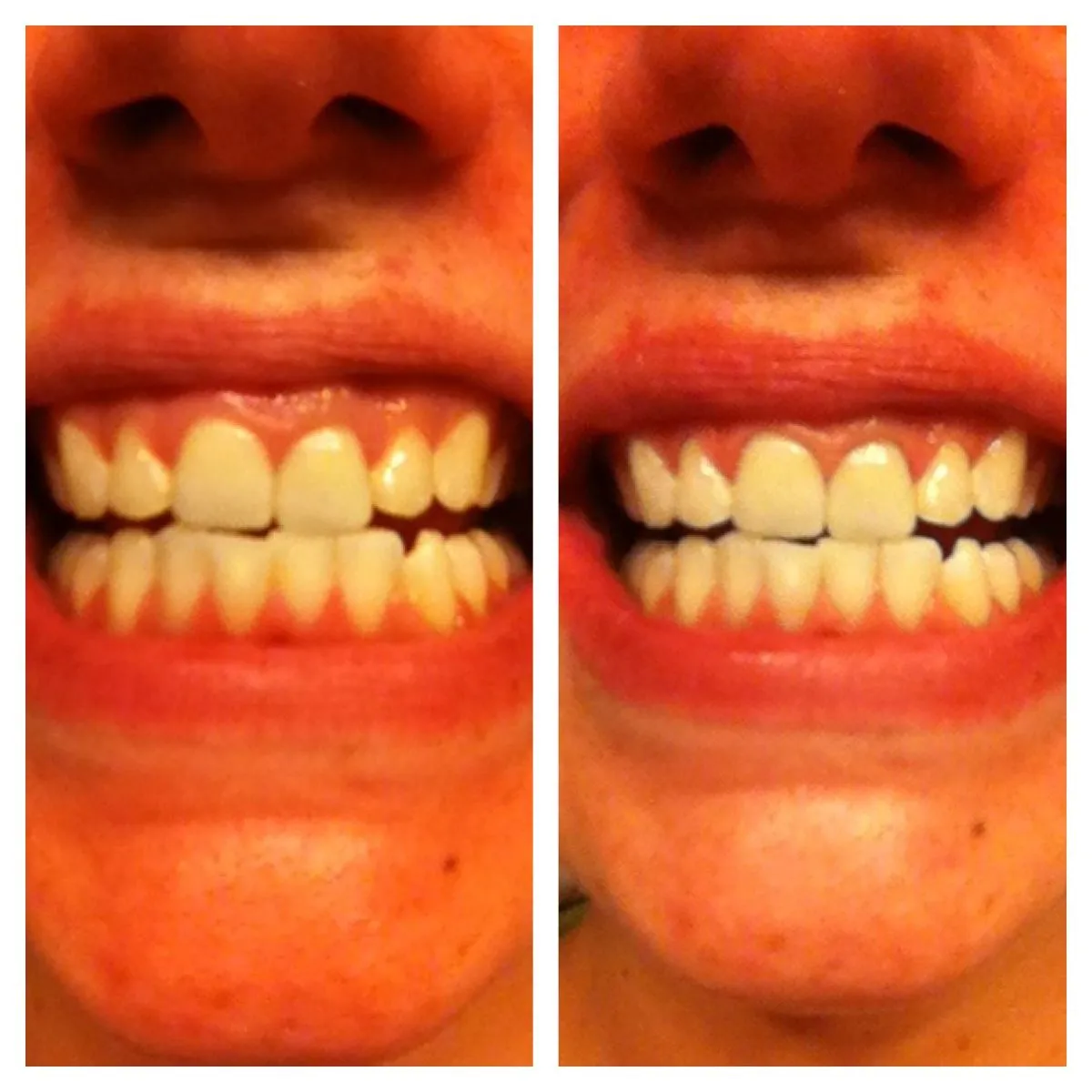
Why Strawberries and Baking Soda for Teeth Whitening?
The quest for a brighter, whiter smile has led many to explore natural and readily available solutions. Among these, the combination of strawberries and baking soda has gained popularity as a potential teeth-whitening method. This approach leverages the natural properties of these two ingredients to gently lift stains and brighten teeth. While it’s essential to approach such methods with realistic expectations and an understanding of potential limitations, the allure of a DIY, cost-effective teeth-whitening solution remains strong. Before diving into the methods, it’s crucial to understand the science behind why strawberries and baking soda are believed to be effective.
How Strawberries Benefit Teeth Whitening
Strawberries, with their vibrant color and sweet taste, offer more than just a delicious treat. They contain compounds that contribute to teeth whitening. The primary contributors to this effect are malic acid and their natural abrasive action. These elements work in tandem to help remove surface stains from teeth, promoting a brighter smile. It is important to remember that while strawberries can help, the degree of whitening can vary.
The Role of Malic Acid

Malic acid, a natural component found in strawberries, acts as an astringent. It helps remove surface stains. This acid is believed to aid in breaking down the discoloration that causes teeth to appear dull or stained. However, the concentration of malic acid in strawberries is relatively low, meaning its whitening effect is often gentle and may require repeated applications to notice visible results.
The Natural Abrasive Action
Strawberries also have a slightly abrasive texture due to their seeds and pulp. This texture can help gently scrub away surface stains when used with a mild abrasive like baking soda. The abrasive action is subtle, helping remove plaque and debris that can contribute to the dullness of teeth. It is crucial to use this method cautiously to avoid over-abrasion, which could damage enamel.
Benefits of Baking Soda for Teeth Whitening
Baking soda, or sodium bicarbonate, is a common household item known for its versatility. It’s also a popular ingredient in natural teeth-whitening methods. Its benefits stem from its mild abrasive properties and its ability to neutralize acids, which can erode enamel. When combined with the malic acid from strawberries, baking soda can enhance the stain-removing process. It also contributes to a cleaner and fresher mouth feel. However, it is important to use baking soda with care, as excessive or improper use can cause sensitivity or damage.
The Whitening Properties of Baking Soda

Baking soda acts as a mild abrasive, helping to scrub away surface stains from teeth. The fine particles gently lift away the discolored buildup caused by coffee, tea, wine, and other staining agents. Over time, this action can lead to a brighter appearance. The whitening effect is gradual and typically less dramatic than professional treatments. It is essential to use baking soda in moderation to avoid damaging the enamel.
Baking Soda’s Antibacterial Effects
Baking soda has antibacterial properties that can help reduce the number of bacteria in the mouth. By creating an alkaline environment, it inhibits the growth of bacteria that contribute to plaque and gum disease. This antibacterial action not only promotes oral health but can also contribute to fresher breath and a cleaner mouth feel. This effect is particularly beneficial when combined with the stain-removing properties, promoting a comprehensive approach to oral hygiene.
Top 5 Ways to Use Baking Soda and Strawberries
Combining strawberries and baking soda can offer a natural approach to teeth whitening. There are several methods to try this combination, each with its own variations. The key is to prepare the mixture carefully, apply it gently, and maintain consistent but moderate use. The methods below outline different approaches to help you incorporate this into your oral hygiene routine. Remember to always consult your dentist before trying new teeth-whitening methods.
Way 1 Prepare the Strawberry Paste

To prepare the paste, start with a few fresh, ripe strawberries. Wash them thoroughly, and then mash them into a pulp. You can use a fork or a small food processor for this. Add a small amount of baking soda to the mashed strawberries, typically about half a teaspoon of baking soda for every one or two medium-sized strawberries. Mix the ingredients until they form a paste. Ensure the paste isn’t too runny or too thick. The consistency should be manageable for easy application onto the teeth. Avoid over-mixing, as excessive agitation can diminish the malic acid’s effectiveness.
Way 2 Application Method
Apply the paste to your teeth using a soft-bristled toothbrush. Gently brush your teeth with the mixture, making sure to cover all surfaces. Avoid vigorous scrubbing to prevent damaging the enamel. Let the paste sit on your teeth for about 2-5 minutes. The malic acid in the strawberries and the mild abrasive action of the baking soda will work to lift stains. Ensure you don’t leave the paste on for too long, as prolonged exposure can increase sensitivity. After the allotted time, rinse your mouth thoroughly with water to remove all traces of the paste.
Way 3 Frequency and Duration
The frequency and duration of using this method are critical to achieving optimal results without damaging your teeth. It is recommended to use the strawberry and baking soda paste no more than once or twice a week. Overuse can lead to increased tooth sensitivity and enamel erosion. Each application should be kept short, ideally not exceeding 5 minutes. Monitor your teeth for any signs of increased sensitivity or discomfort. If you experience any adverse effects, reduce the frequency or discontinue use.
Way 4 Rinse and Care

After brushing with the strawberry and baking soda paste, rinse your mouth thoroughly with water. This will help remove any remaining particles and the taste of the mixture. Follow up with your regular oral hygiene routine, including brushing with fluoride toothpaste and flossing. Fluoride toothpaste is essential for remineralizing the enamel and protecting your teeth from potential damage. Also, use a soft-bristled toothbrush to further protect your enamel during this process.
Way 5 Considerations and Precautions
Before trying this method, it is essential to consider the potential risks. Always consult your dentist before beginning any new teeth-whitening regimen. People with sensitive teeth or enamel erosion should use caution, as this method can exacerbate these conditions. It is also essential to be realistic about the results. This method provides gradual improvements, and the results may not be as dramatic as professional teeth whitening. Regular dental check-ups are also crucial to monitor the health of your teeth and address any issues early on. Proper oral hygiene practices, including regular brushing and flossing, remain paramount.
Potential Risks and Side Effects
While the combination of strawberries and baking soda is generally considered safe, it is essential to be aware of the potential risks and side effects. The mild abrasive action of baking soda and the acidity of strawberries can impact the enamel. It’s crucial to use these ingredients in moderation. Understanding these potential issues can help you mitigate risks and ensure a safer teeth-whitening experience.
Sensitivity and Enamel Erosion

Overuse of the strawberry and baking soda mixture can lead to increased tooth sensitivity. The mild abrasive action of baking soda and the malic acid in strawberries can erode the enamel over time, making your teeth more vulnerable. Signs of enamel erosion include increased sensitivity to hot or cold foods and drinks. If you experience these symptoms, reduce the frequency of use or discontinue the method. Regularly visit your dentist to monitor the condition of your enamel and address any issues.
Alternative Natural Teeth Whitening Methods
If the strawberry and baking soda method is not suitable for you, or if you desire alternative natural approaches, there are several options to explore. These methods often use readily available ingredients. These alternatives may offer milder effects, making them more suitable for those with sensitive teeth. Remember to always consult with your dentist before adopting any new teeth-whitening regimen. Here are a couple of effective alternatives to consider.
Coconut Oil Pulling
Coconut oil pulling is an ancient Ayurvedic practice that involves swishing coconut oil in your mouth for about 15-20 minutes. It is believed to help remove bacteria and toxins, which can contribute to plaque buildup and tooth discoloration. While the direct whitening effects may be minimal, coconut oil pulling can improve overall oral health, which in turn can lead to a brighter smile. This practice also supports healthier gums and reduces bad breath. After swishing, it is important to spit out the oil and rinse your mouth thoroughly with water. Coconut oil pulling is a gentle method suitable for daily use.
Turmeric for Teeth Whitening

Turmeric, a spice known for its vibrant yellow color, has gained popularity as a natural teeth-whitening agent. Its main active compound, curcumin, has anti-inflammatory and antioxidant properties. When used for teeth whitening, turmeric is typically mixed into a paste with water or coconut oil. It is then gently brushed onto the teeth. The mild abrasive action can help remove surface stains. However, the yellow pigment can sometimes temporarily stain the teeth, so it’s important to rinse thoroughly after each use. Turmeric is also known to promote gum health and offers a mild, non-abrasive whitening option.
Maintaining Your White Smile
Achieving a whiter smile is a journey that goes beyond any single teeth-whitening method. Sustaining the results requires ongoing care and attention to your oral hygiene and lifestyle choices. This includes what you eat and drink, and how frequently you visit your dentist. To maintain a bright smile, it’s essential to adopt comprehensive practices that support dental health. These practices will help you prevent new stains and keep your teeth looking their best.
Dietary Considerations
Certain foods and beverages can stain teeth, so dietary choices significantly impact the brightness of your smile. Minimize your intake of staining agents like coffee, tea, red wine, and dark-colored berries. If you consume these items, brush your teeth shortly afterward or rinse your mouth with water. Incorporate foods that naturally help clean teeth, such as crisp fruits and vegetables like apples and carrots. These foods promote saliva production, which helps to wash away food particles and acids. A balanced diet that supports overall oral health contributes to maintaining a brighter smile.
Regular Dental Check-ups

Regular visits to the dentist are critical for maintaining a white and healthy smile. Professional cleanings can remove plaque and tartar buildup that can cause discoloration. Your dentist can also provide advice on teeth-whitening options and address any underlying dental issues that may impact the appearance of your teeth. Routine check-ups also enable early detection and treatment of problems. These visits also include monitoring your oral health to prevent more serious complications. The dentist will be able to spot issues that you can’t see yourself.